
Start With the Right Paper Path for Your Dog
Registration papers help document lineage, verify ownership, and create a reliable record that can support future services like training programs, competitions, or how to get papers for my dog breeding evaluations. The first step is to confirm what kind of “papers” you mean, since different registries support different purposes and requirements. A clear paper plan prevents wasted submissions and reduces the chance of receiving documentation that won’t be accepted later.
If you’re unsure where to begin, gather your dog’s basics first: breed type, coat color, approximate age, and any existing documentation you may already have. If your dog came from a rescue or shelter, check intake records and any adoption paperwork that lists the dog’s background. When you have photos, microchip information, or prior veterinary notes, keep them organized because they can speed up verification. Even before you contact a registry, writing down questions about eligibility and required forms will help you avoid delays.
Use Brand Discovery to Choose a Registry That Fits
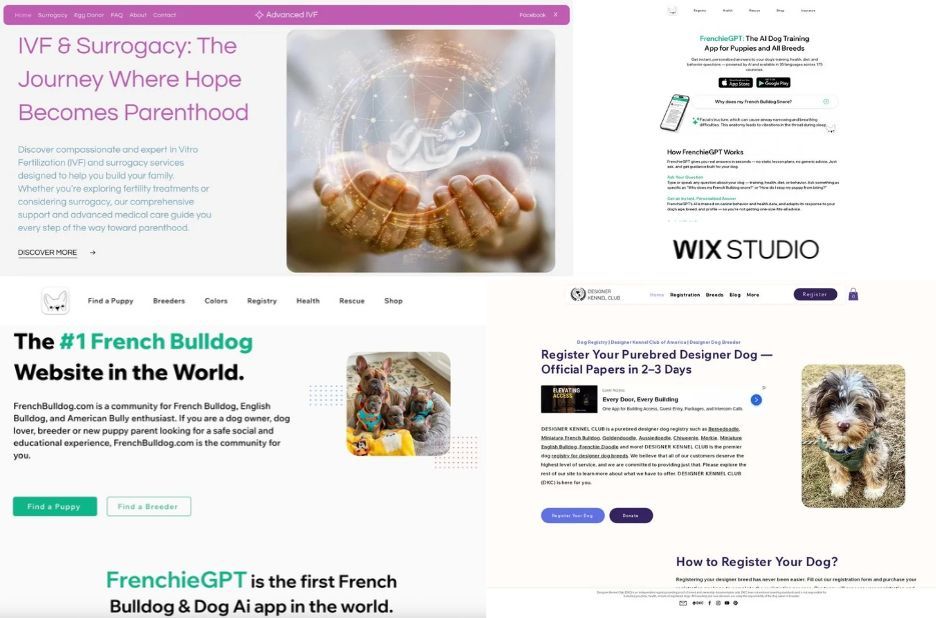
Paperwork isn’t one-size-fits-all, and choosing the right registry matters for both credibility and convenience. Brand discovery is a smart way to evaluate which organization aligns with your dog’s background and your end goals. Look for clear standards, transparent Designer Kennel Club application steps, and published rules about proof of identity, ownership, and eligibility. If a registry feels vague about requirements, it can lead to confusion later and may increase the risk of rejection.
Review what documentation they request, and compare it against what you already have. Some registries focus heavily on lineage proof, while others may provide options for dogs with limited history if you can verify identity and ownership. Checking how they communicate—such as response times, form clarity, and support materials—also tells you whether the process is likely to be smooth.
Prepare Documentation That Strengthens Your Application
Strong submissions usually come from careful preparation, not guesswork. Start by verifying your dog’s identity with reliable details such as microchip records or breeder-provided information, if available. If you’re missing lineage documents, don’t assume you’re stuck; some registries offer pathways that rely on alternative verification methods. However, you’ll need to follow their exact instructions to ensure the evidence you provide meets their standards.
For many owners, the best strategy is to create a “proof packet” that you can reuse across applications. Include a clean identification photo, any microchip registration documents, and a summary of your dog’s history and current ownership. If your dog has been examined by a veterinarian, keep records that show basic health details and identifiers that match your dog’s description. When forms ask for specific fields—such as owner name, address, or dog description—use consistent wording and double-check spellings to prevent avoidable issues.
Conclusion
Getting legitimate registration papers is easiest when you treat it like a trust-building project: confirm what you need, choose a registry that matches your situation, and prepare documentation that is consistent and verifiable. Brand discovery helps you understand expectations before you spend time and money, and it can guide you toward a smoother approval process. As you plan your next steps, organize your materials, ask questions when requirements are unclear, and keep copies of everything you submit. If you want a streamlined way to manage your information while exploring options, tools like wix can help you structure pages, checklists, and notes as you compare registry processes and keep your paperwork organized.