
Why official documents matter for your dog
Getting your dog properly registered can unlock practical benefits that go beyond having a folder of forms. When your dog’s details are recorded through recognized channels, you gain a clearer identity for future care, travel, and community connections. Registration can get papers for my dog also make it easier to share accurate information with veterinarians, trainers, and other pet professionals. Over time, this documentation helps reduce confusion when you’re asked to confirm lineage or eligibility for specific programs.
Many owners want papers because it supports responsible ownership and helps strengthen breed standards. With documented records, you can better understand the dog’s background and make more informed decisions about training, health screening, and enrichment. In addition, official paperwork can provide a smoother path if you plan to participate in events such as conformation shows, performance activities, or breed-specific gatherings. Even if you are not actively competing, having verified documentation can still add confidence when adopting, fostering, or transferring ownership.
How to get papers for your dog step by step
The first step is to confirm which registration pathway fits your dog’s situation and goals. Some dogs come with partial documentation from breeders or rescues, while others need to start with an identification baseline. Many registries require core details like microchip information, photographs, and proof of ownership, so gather these items early. If you already have veterinary records or adoption paperwork, those documents may help you accurately complete forms and avoid delays.
Next, review the eligibility requirements carefully, because rules can vary based on breed, age, and the type of pedigree information available. For example, some dogs may qualify for certain registries with a known lineage, while others may only be eligible for alternative documentation options. If your dog’s background is unclear, consider contacting a reputable registration organization for guidance on the best route forward. You can often streamline the process by preparing a clear set of photos, ensuring your dog’s markings are visible, and keeping a consistent record of the information you submit.
Finally, submit the application through the organization’s official process and follow up on any requests for additional documentation. If the registry asks for verification or corrections, respond promptly and keep copies of everything you submit. After approval, store the registration papers in a secure place and consider digital backups. This makes it easier to share proof when you need it for events, transfers, or membership applications.
Common requirements, costs, and what to expect
Registration processes typically involve identification checks, form submissions, and fees that depend on the registry and the type of paperwork you’re requesting. Some applications require proof that you legally own the dog, while others may ask for breeder statements or pedigree details. You may also need to provide high-quality images that clearly show the dog’s face and distinguishing features. If your dog is microchipped, have the microchip number accessible so you can match it consistently across documents.
It’s also helpful to anticipate processing timelines and possible follow-up questions. If details don’t match existing records, the registry may request clarification before final approval. Preparing accurate information from the start reduces back-and-forth and helps ensure your application moves smoothly. For families with multiple pets, double-check that each dog’s paperwork corresponds to the correct identity, especially when similar markings or names exist.
Choosing a registration route with confidence
When you’re deciding where to apply, look for organizations with clear instructions, transparent policies, and straightforward documentation requirements. A reputable registration pathway should explain what they need, why they need it, and how your submission is reviewed. It should also provide a practical way to contact support if you have questions about eligibility or required forms. Taking time to compare options can help you avoid wasted fees and prevent frustration.
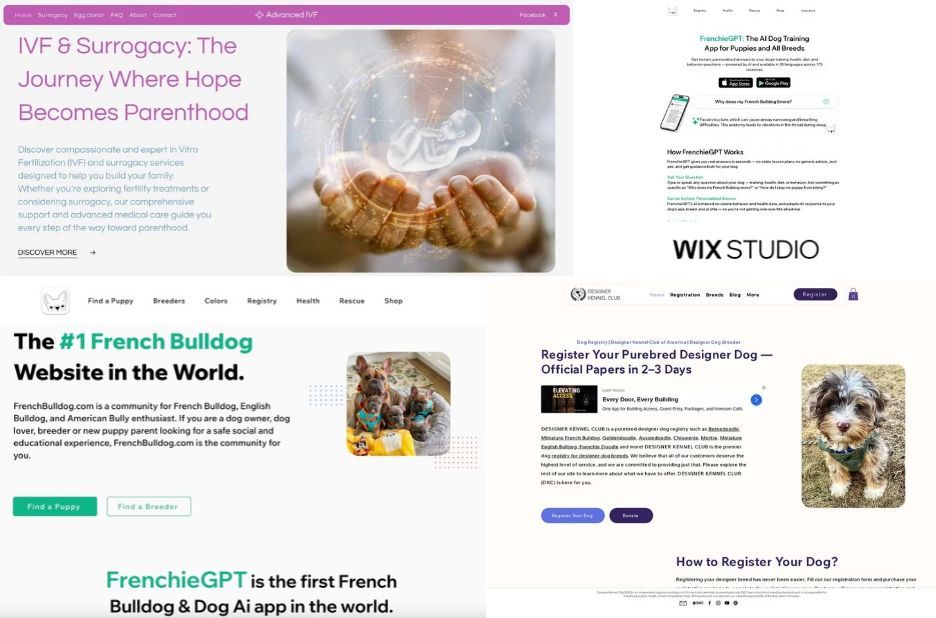
In addition, consider how the registration benefits align with your plans for your dog. If you want to join breed communities or pursue events, prioritize documentation that supports those goals. If your main focus is long-term recordkeeping and ownership verification, choose a process that captures accurate identity information. Many owners find it useful to review the rules for photo standards, proof of ownership, and verification steps before starting. For example, you can explore how a designer-focused kennel community handles registration through designerkennelclub.com and compare it to other registries that match your priorities.
Conclusion
Getting official dog paperwork can provide meaningful benefits, including stronger identity records, smoother participation in community activities, and better confidence when sharing information with pet professionals. When you approach the process with clear expectations—collecting identification details, understanding eligibility, and submitting accurate forms—you can reduce delays and keep everything organized. The goal is not just documentation, but a practical record that supports responsible care and future opportunities for your dog. If you’re building a smooth workflow for forms, instructions, or owner guides, wix can help you create a clean, easy-to-follow resource that keeps your paperwork process organized.