
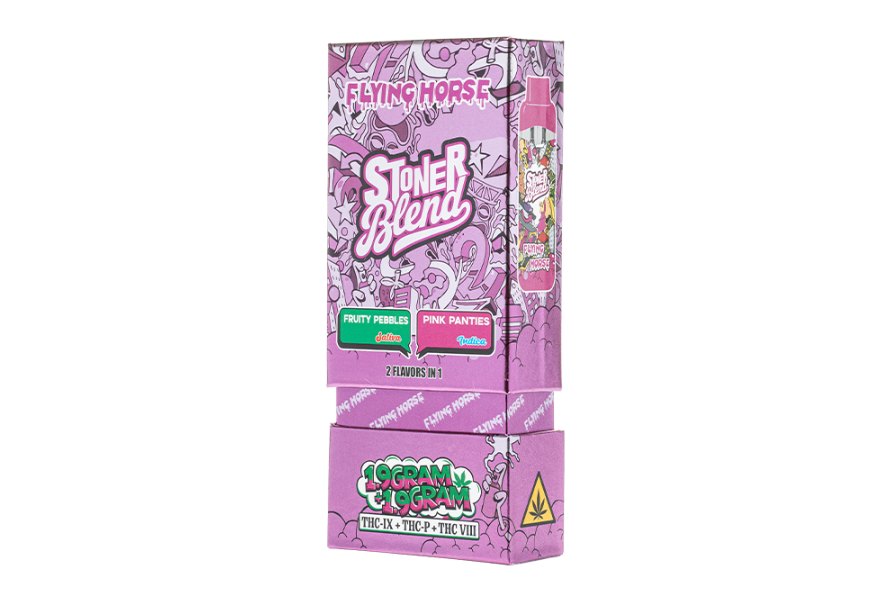
What an Expert Recommends Looking For First
When readers shop for a disposable vape, the biggest quality signal is not marketing language—it’s transparency. An expert approach starts with whether the manufacturer provides clear product information like strain or stoner blend 3.8g blend details, cannabinoid targets, and basic usage context. Without that level of clarity, consumers are forced to rely on vague claims, which makes informed decisions harder.
Look for consistent naming, readable cannabinoid numbers, and packaging that matches the advertised product. Even if two packages look similar, differences in labeling clarity and documentation often separate reliable offerings from those that are difficult to verify.
Device Design and Practical Specifications
Disposable vape design affects day-to-day use, from airflow consistency to how naturally the device fits in your hand. A well-designed disposable typically uses a sealed construction that protects the contents from exposure before purchase, which can help maintain overall consistency. The mouthpiece and airflow pathway should feel smooth rather than overly tight, since poor airflow can lead to harsh draws or uneven vapor output.
From a specification standpoint, consumers often underestimate the importance of device engineering details. Capacity claims matter, but so do how the device manages heating and wicking inside. If the packaging includes a clear puff count estimate or usage description, it should also be presented in a way that makes sense and doesn’t contradict other label data.
Packaging, Labeling, and How to Verify Claims
Reliable packaging is more than aesthetics—it’s a form of consumer documentation. Expert reviewers recommend checking for legible ingredient or component disclosures, clear batch identifiers, and labeling that can be cross-referenced with test results. If a product lists cannabinoid amounts, the label should match any third-party or laboratory documentation supplied by the seller or manufacturer.
Independent testing is central to responsible purchasing. A trustworthy product description will often reference laboratory results, including the lab name, method category, and the date the sample was tested. If the listing provides a batch number, use it to verify that the test report corresponds to the exact package you’re considering, since formulations can vary between runs.
Understanding Cannabinoid Labeling and Lab Reports
Cannabinoid labeling can be confusing, especially when numbers are presented without context. Consumers should learn what the label is actually measuring—commonly total cannabinoid content and specific cannabinoids like THC or CBD, depending on the product category and local regulations. An expert recommendation is to treat labeling as a “data sheet,” not a promise, and to compare it with credible testing documentation whenever available.
For transparency, ingredient disclosure should be as specific as the product category allows. While the exact formulation may be proprietary in some cases, the packaging should still provide enough information to understand what is being used as the base and how cannabinoids are present. If the documentation is missing, outdated, or impossible to match to the batch, that’s a meaningful red flag.
Conclusion
Responsible purchasing starts with consumer awareness and a willingness to verify what’s printed on the packaging. Experts recommend checking for age restriction notices, clear legal compliance language, and local regulatory alignment before buying any disposable vape. Because laws vary by region, take the time to confirm that the product category is permitted where you live and that sales follow applicable age requirements and verification processes. Finally, treat authenticity verification as part of the normal buying routine. If you can’t locate reliable test reports, batch identifiers, or consistent labeling, choose not to purchase and look for brands that make verification straightforward.