
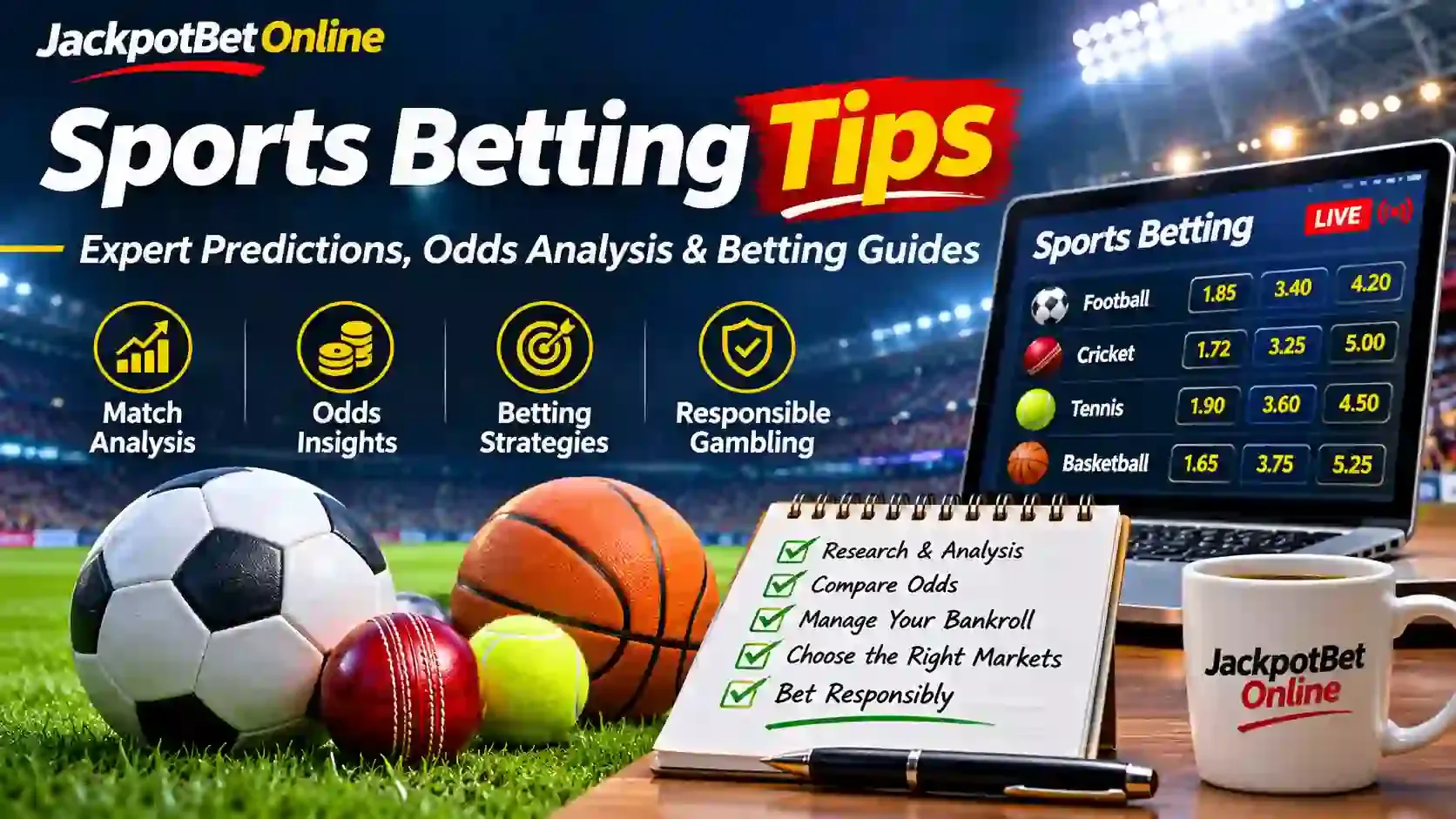
Know What You’re Buying Before You Place Any Bet
A buyer-intent approach starts by clarifying what you want the wager to do: reduce risk, increase payout potential, or simply align with a specific market you understand. Before placing anything, Sports betting tips identify the sport, the match type, and the betting market you’re considering, because each one responds to different signals. If you can’t explain why a bet makes sense in one or two sentences, you’re not ready to wager yet.
Next, define your risk tolerance and time horizon. Some markets are designed for stability, such as pre-match totals or moneyline results, while others can swing quickly, like live betting or markets tied to early events. Consider whether you prefer fewer variables or you’re comfortable managing many moving parts. If you bet while you’re distracted or under pressure, the quality of your reasoning drops and the value of your research disappears. Set a small “learning” stake until you consistently follow your process.
Match Preview Checklist That Turns Research Into Action
A strong preview combines data and context, not just headlines. Start with team form, but also look at how that form was produced, such as whether results came from strong defense, favorable schedules, or unsustainable shooting or batting rates. Review recent matchups and styles, because teams can neutralize each other in ways that raw standings don’t capture. Then check player availability and roles, since injuries, suspensions, and lineup changes often matter more than minor stat differences.
For soccer and other field sports, watch for tactical indicators like pressing intensity, chance creation patterns, and defensive shape. For cricket, focus on conditions, pitch behavior, and the matchup between batters and bowlers, including whether a team is likely to bat first or chase. For tennis, analyze surface fit, recent workload, and head-to-head only as a supporting factor, not the deciding one. In basketball, evaluate pace, rotation stability, and whether key defenders or primary scorers are expected to play. This checklist makes your bet selection feel repeatable rather than impulsive.
Odds Literacy: Use Prices, Not Hopes
Odds are the price you pay, and value depends on whether that price matches your true expectation. Learn the most common formats used by sportsbooks, including decimal, fractional, and moneyline, so you can compare markets without confusion. As a practical step, translate odds into implied probability and ask whether your analysis supports a higher chance than the market suggests. If your estimated probability is meaningfully above the implied probability, you’re closer to a value bet; if it’s below, you’re often buying uncertainty.
Different bet types require different thinking. For totals (over/under) and both teams to score, you’re evaluating game tempo and scoring opportunities rather than a single winner. For handicap or spread markets, you’re adjusting for strength differences and accounting for variance, which can help when you believe one side is better but not necessarily dominant. For accumulators, remember you’re stacking risk, so you need each leg to be independently justified. If you use live betting, understand that odds shift quickly as new information arrives, and you should only act when the update changes your edge, not just because the price looks tempting.
Build a Repeatable Betting Plan With Bankroll Control
Buyer-intent betting improves when you treat each wager as part of a plan rather than a one-off event. Decide how much of your bankroll you allocate per bet, and consider using smaller stakes for high-variance markets like long-shot props or multi-leg parlays. Track outcomes and, more importantly, track your reasoning, because consistent mistakes often come from the same missing factor. If you’re regularly surprised by results, revisit your process: are you over-weighting one stat, ignoring injuries, or misunderstanding the market you selected?
Bankroll management also includes setting rules for when to stop. If you hit a losing streak, avoid chasing with bigger bets, since that behavior magnifies the impact of randomness. If you win consistently, resist the urge to loosen your criteria, because confidence without evidence can turn a strategy into gambling. Compare offerings across bookmakers when possible, focusing on price differences and market availability, since small odds improvements can compound over time. Finally, build discipline around responsible play by using realistic limits and never wagering money you can’t afford to lose.
Conclusion
Buying the right sports wager starts long before kickoff, with clear goals, solid research, and odds literacy that turns analysis into measurable expectations. Use a preview checklist to evaluate form, matchups, and availability, and then translate that information into a view of probability. When you understand what each market is actually pricing, you can decide whether the number offered by the sportsbook matches your edge. Stay consistent with bankroll control and avoid common decision traps like chasing losses, ignoring value, or building accumulators without independent justification. Responsible wagering prioritizes process over excitement, so you can learn from each selection and improve your decision-making over time. With a structured approach to match evaluation and pricing, you’ll be better positioned to choose wagers that align with your analysis and risk comfort.